Showing posts with label Written by Claude. Show all posts

Monday, October 27, 2025

Hidden Gems of Southeast Asia: 7 Underrated Destinations Worth Exploring

Scenic Southeast Asian landscape with traditional boats

Southeast Asia has long been a favorite destination for travelers seeking adventure, culture, and natural beauty. While popular spots like Bali, Bangkok, and Singapore attract millions of visitors annually, the region harbors countless hidden gems that offer authentic experiences away from the tourist crowds. These underrated destinations provide the perfect blend of cultural immersion, breathtaking landscapes, and unforgettable adventures without the overwhelming masses.

Whether you're a seasoned backpacker or planning your first international adventure, exploring these lesser-known corners of Southeast Asia will reward you with genuine connections, pristine environments, and stories that few travelers can tell. Let's dive into seven spectacular destinations that deserve a prominent spot on your travel bucket list.

1. Kampot, Cambodia: The Riverside Retreat

Nestled along the Preaek Tuek Chhu River, Kampot is a charming provincial town that captures the essence of old colonial Cambodia. Famous worldwide for its pepper plantations, this tranquil destination offers a refreshing alternative to the temple-heavy itineraries many travelers follow in Cambodia. The riverside promenade comes alive during sunset, with locals and visitors gathering to enjoy the cool evening breeze and spectacular views of the Bokor Mountain range.

Adventure seekers can explore the nearby Bokor National Park, home to abandoned French colonial buildings and cascading waterfalls. The town itself is perfect for cycling tours through pepper farms, where you can learn about the cultivation process and sample some of the world's finest peppercorns. Kampot's laid-back atmosphere makes it ideal for travelers looking to slow down and experience authentic Cambodian life.

2. Pai, Thailand: Mountain Magic in Northern Thailand

Misty mountains and rice fields in northern Thailand

Tucked away in the mountains of northern Thailand, Pai is a bohemian paradise that attracts artists, digital nomads, and nature lovers from around the globe. The journey alone—navigating 762 curves through lush mountain landscapes—sets the tone for this enchanting destination. Once you arrive, you'll discover a vibrant community centered around organic cafes, night markets, and wellness centers.

Pai's surrounding countryside offers incredible opportunities for exploration. Here's what you shouldn't miss:

  • Pai Canyon: A dramatic geological formation perfect for sunset viewing and photography
  • Hot springs: Natural thermal pools surrounded by jungle, ideal for relaxation after a day of exploration
  • Waterfalls: Multiple cascades including Mo Paeng and Pam Bok, each offering swimming opportunities
  • Bamboo Bridge: A scenic walkway through rice paddies that showcases rural Thai agricultural life

The town maintains its authentic charm despite growing popularity, with local hill tribe communities still practicing traditional ways of life in nearby villages. Pai serves as an excellent base for trekking, motorcycle adventures, and cultural immersion experiences.

3. Banda Islands, Indonesia: The Forgotten Spice Islands

Few travelers make it to the remote Banda Islands, yet these volcanic specks in the Banda Sea played a pivotal role in world history as the original source of nutmeg and mace. These spices were once worth more than gold, triggering colonial wars and shaping global trade routes. Today, the islands remain blissfully quiet, offering pristine diving conditions, colonial Dutch architecture, and a fascinating blend of Indonesian and European heritage.

The underwater world surrounding the Banda Islands is nothing short of spectacular. Healthy coral reefs teem with marine life, including hammerhead sharks, manta rays, and countless tropical fish species. On land, visitors can hike to volcanic craters, explore historic forts, and learn about the islands' complex history from knowledgeable local guides. The journey to reach Banda requires commitment—either a long ferry ride or a flight to a neighboring island followed by a boat transfer—but this remoteness is precisely what keeps it authentic.

4. Hsipaw, Myanmar: Trekking Through Shan State

Located in Myanmar's northern Shan State, Hsipaw remains wonderfully off the beaten path despite offering some of Southeast Asia's most rewarding trekking experiences. This former Shan princely state sits in a fertile valley surrounded by ethnic minority villages, tea plantations, and misty mountains. The town itself retains a frontier feeling, with colonial-era buildings and a functioning market that serves the surrounding agricultural communities.

Multi-day treks from Hsipaw take visitors through Palaung, Shan, and Lisu villages where traditional lifestyles continue unchanged. Spending nights in homestays provides genuine cultural exchange opportunities and insights into highland farming practices. The Gokteik Viaduct, a towering railway bridge built in 1900, can be crossed by train and offers breathtaking views of the gorge below—a must-do experience for railway enthusiasts and adventure photographers.

5. Kep, Cambodia: Coastal Charm and Crab Markets

Fresh seafood at coastal market

Once a glamorous seaside retreat for French colonials and Cambodian elite, Kep fell into ruin during the Khmer Rouge era. Today, this small coastal town is experiencing a renaissance while maintaining its peaceful character. The famous crab market operates daily, where visitors can select live crabs to be cooked fresh with Kampot pepper—a culinary experience that ranks among Southeast Asia's finest.

Beyond gastronomy, Kep offers several attractions worth exploring:

  • Kep National Park: Easy hiking trails through coastal forest with panoramic ocean views
  • Rabbit Island: A short boat ride away, this undeveloped island features pristine beaches and basic bungalow accommodations
  • Modernist ruins: Abandoned villas scattered throughout Kep tell stories of the town's glamorous past
  • Sunset Beach: A quieter alternative to the main waterfront, perfect for evening relaxation

Kep works perfectly as a relaxing stop between more active destinations, offering fresh seafood, beautiful sunsets, and a glimpse into Cambodia's complex modern history.

6. Cat Ba Island, Vietnam: Halong Bay's Quieter Neighbor

While Halong Bay draws massive cruise ship crowds, nearby Cat Ba Island offers similar limestone karst scenery with a fraction of the visitors. Half of the island is protected as a national park, home to endangered golden-headed langurs and diverse ecosystems ranging from mangrove forests to limestone peaks. The main town, Cat Ba, provides excellent seafood restaurants, budget accommodations, and tour operators offering kayaking, rock climbing, and sailing adventures.

Cat Ba serves as an ideal base for exploring the less-touristed sections of Halong Bay and the pristine Lan Ha Bay. Multi-day boat trips allow travelers to kayak through hidden lagoons, swim in secluded coves, and visit floating fishing villages where families have lived for generations. The island's interior offers excellent hiking, with trails leading to viewpoints that showcase the spectacular bay landscape from elevated perspectives.

7. Nusa Penida, Indonesia: Bali's Dramatic Island Escape

Just a short boat ride from Bali, Nusa Penida remained relatively unknown until recent years. This rugged island features dramatic cliff formations, pristine beaches, and world-class dive sites—all without the development density found on its famous neighbor. The island's infrastructure remains basic, which preserves its wild character but requires some adventure spirit from visitors.

Nusa Penida's highlights include Kelingking Beach with its famous T-Rex-shaped cliff, Angel's Billabong natural infinity pool, and Broken Beach—a collapsed cave creating a natural archway. Underwater, the island is renowned for manta ray encounters at Manta Point and the seasonal opportunity to swim with mola mola (ocean sunfish) at cleaning stations. While day trips are possible, staying overnight allows you to experience the island's magic during quieter morning and evening hours.

Planning Your Hidden Gem Adventure

Exploring these underrated destinations requires slightly more planning than visiting major tourist hubs. Transportation connections may be less frequent, accommodation options more limited, and English less widely spoken. However, these challenges are part of what makes these destinations special—they reward travelers who step outside their comfort zones with authentic experiences and genuine connections.

When planning your journey, consider visiting during shoulder seasons when weather remains favorable but crowds are minimal. Research transportation options in advance, as some destinations require multiple connections. Pack appropriately for varying conditions, bring cash (ATMs may be scarce), and maintain realistic expectations about amenities. Most importantly, approach each destination with openness and respect for local cultures and environments.

Conclusion: Beyond the Guidebook

Southeast Asia's hidden gems offer something increasingly rare in our connected world: the opportunity to explore places that still feel genuinely undiscovered. These seven destinations represent just a fraction of the region's underrated treasures, each promising authentic cultural encounters, natural beauty, and adventure without the crowds that define more famous locations.

By choosing to explore beyond the well-worn tourist trail, you're not only enriching your own travel experience but also supporting local communities in lesser-visited areas. These destinations need thoughtful tourism that respects local culture and environment while providing economic benefits to residents. Your visit can make a positive difference when approached with sensitivity and genuine curiosity about the places and people you encounter along the way.


Follow Us: For more updates, stories, and partner links — visit our official Facebook Page and explore Our Sister Sites.

Share/Bookmark

Sunday, October 19, 2025

Responsible Travel in 2025: How to Explore the World Without Damaging It

Adventure and travel feed our souls. There's something transformative about standing in a new place, experiencing unfamiliar cultures, tasting different cuisines, and challenging your assumptions about the world. But as travel has become more accessible, its environmental and cultural impacts have become impossible to ignore. Overtourism is overwhelming delicate ecosystems and historic sites. Carbon emissions from aviation are accelerating climate change. Local communities are struggling with rapid cultural displacement. The good news? You don't have to choose between travel and responsibility. Sustainable travel practices allow you to explore authentically while respecting the destinations and communities you visit. It's not about traveling less—it's about traveling smarter.

Understanding Overtourism and Its Real Impact

Certain destinations have become victims of their own popularity. Venice struggles with sinking under cruise ship traffic. Barcelona residents protest massive tourist influxes. Mount Everest sees deadly congestion. The Maldives faces existential threats from rising sea levels and reef damage. These aren't abstract problems—they're immediate crises affecting real people and ecosystems.

Overtourism creates cascading problems:

  • Infrastructure strain—local water, electricity, and sanitation systems designed for residents now serve millions of visitors annually
  • Environmental degradation—hiking trails erode, coral reefs bleach from excessive visitors and sunscreen, wildlife habitats shrink
  • Cultural erosion—authentic traditions are replaced by performances designed for tourists; locals become service workers in their own communities
  • Economic inequality—tourism revenue rarely reaches local workers while local businesses are displaced by international chains
  • Carbon footprint—air travel alone accounts for 2-3% of global emissions, and this is growing rapidly
  • Social friction—tension rises between residents and tourists as neighborhoods transform into tourist zones

The encouraging truth? Conscious travelers can minimize these harms significantly. According to Wikipedia's comprehensive overview of sustainable tourism, travelers who make intentional choices create measurable positive impacts for destinations.

Responsible sustainable travel practices and cultural respect

Practical Strategies for Sustainable Adventure Travel

Choose Less-Visited Alternatives to Popular Destinations

Instead of Rome, explore smaller Italian cities like Ravenna or L'Aquila. Rather than Thailand's Phi Phi Islands, discover lesser-known islands in the Andaman Sea. This distributes tourism impact and often provides more authentic cultural experiences. You'll interact with communities less fatigued by tourists and more genuinely interested in sharing their culture.

Travel Slower and Deeper

The traditional "hit 5 countries in 10 days" itinerary maximizes carbon emissions and minimizes cultural understanding. Slow travel—spending weeks in single destinations—allows you to move beyond tourist zones, learn local customs, and genuinely connect. You'll also reduce your carbon footprint per experience by consolidating travel days.

Support Local Economies Directly

Eat at family-run restaurants rather than international chains. Stay in local guesthouses instead of massive hotel corporations. Buy souvenirs from artisans rather than mass-produced goods. Book experiences led by locals—cooking classes, hiking tours, language lessons. This ensures your money directly benefits communities.

Respect Cultural Boundaries and Sacred Spaces

Before visiting temples, sacred sites, or cultural areas, learn the appropriate behavior. Dress respectfully, ask permission before photographing people, honor local customs around food and interaction. Many destinations face cultural erosion precisely because tourists treat sacred spaces as photo ops rather than places of genuine spiritual significance.

Minimize Your Physical Environmental Impact

  • Use reef-safe sunscreen (regular sunscreen damages coral)
  • Avoid single-use plastics—bring reusable bottles, bags, and containers
  • Stay on marked trails to protect vegetation and ecosystems
  • Don't remove natural souvenirs (shells, rocks, plants) that damage ecosystems
  • Choose low-impact accommodations—ecolodges, locally-owned small hotels
  • Respect wildlife—observe from distance, don't feed animals, avoid exploitative animal tourism
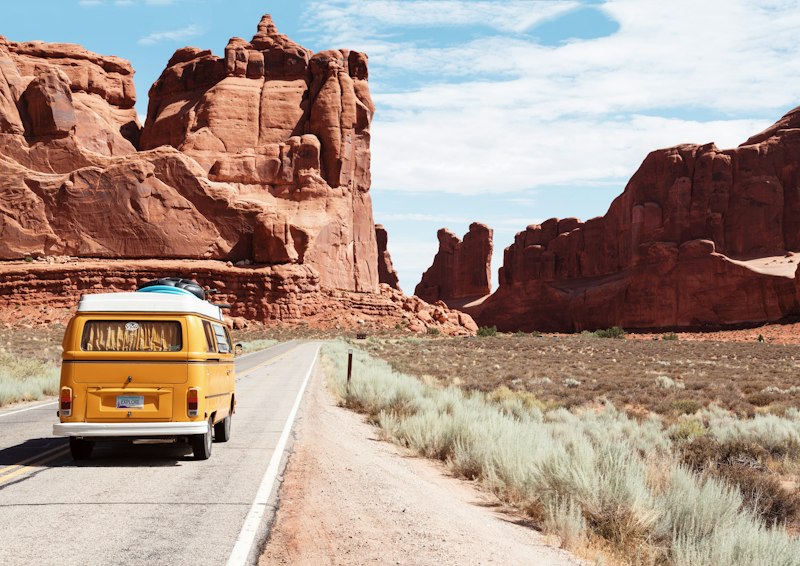
Cultural exploration and authentic travel experiences

Reducing Your Travel Carbon Footprint

Air travel is the most impactful component of your carbon footprint. Consider:

Combining Multiple Stops in One Trip: Rather than taking three separate flights, plan one longer journey hitting multiple destinations. This reduces flights per destination visited.

Choosing Non-Stop Flights: Takeoff and landing consume disproportionate fuel. Nonstop flights are more efficient than multiple shorter flights.

Offsetting Carbon Emissions: Use carbon offset programs to mitigate unavoidable flight emissions. While imperfect, they fund renewable energy and reforestation projects.

Ground Transportation: Use trains, buses, and bicycles instead of rental cars. These are lower-emission and provide more authentic contact with landscapes and communities.

Taking Extended Trips: Maximize each flight's value by traveling longer. A two-week trip on one flight is more carbon-efficient than four weekend trips.

Choosing Responsible Accommodations and Experiences

Where you stay and what you do matters enormously. Travel journalism from major outlets increasingly documents how accommodation choices impact destination sustainability.

Ecolodges and Sustainable Hotels: Look for accommodations with genuine environmental certifications (not just marketing claims). They minimize waste, conserve water and energy, and often support local conservation efforts.

Community-Based Tourism: Choose experiences directly run by local communities—homestays, cultural tours led by residents, local guide services. These models ensure benefits reach communities and provide authentic cultural exchange.

Avoid Exploitative Experiences: Don't support animal tourism involving exploitation (elephant rides, tiger temples, animal shows). Don't photograph people without consent or offer money for photos. Avoid "poverty tourism" that treats struggling communities as attractions.

Adventure travel and authentic destination experiences

The Mindset Shift: From Tourism to Travel

The difference between sustainable and unsustainable travel often comes down to mindset. Tourism treats a destination as a product to consume quickly. Travel treats it as a place with history, people, and significance worthy of respect.

Sustainable travelers ask: "How can I learn from this place?" rather than "What can I extract from this place?" They're curious about local life rather than checking boxes on a bucket list. They recognize themselves as guests in someone else's community, not entitled consumers.

Conclusion: Adventure That Doesn't Destroy What We Love

The world's most beautiful and culturally rich destinations aren't infinite resources. Overtourism threatens to destroy what draws us to travel in the first place. But you have power to travel differently. Every flight you consolidate, every local business you support, every sacred site you respect, every trail you protect—these choices compound.

Sustainable travel doesn't mean visiting fewer places or less adventurous experiences. It means visiting more intentionally, more slowly, more respectfully. It means understanding that the greatest travel gift isn't a photo or a souvenir—it's meaningful connection with people and places, and the knowledge that your visit made their lives slightly better, not harder.

The world's destinations are waiting to welcome thoughtful travelers who approach with respect, curiosity, and commitment to leaving places better than they found them. That's the adventure worth pursuing.


Share/Bookmark

Wednesday, October 15, 2025

Solo Travel Transformed My Life: Lessons Learned from Exploring 30 Countries Alone

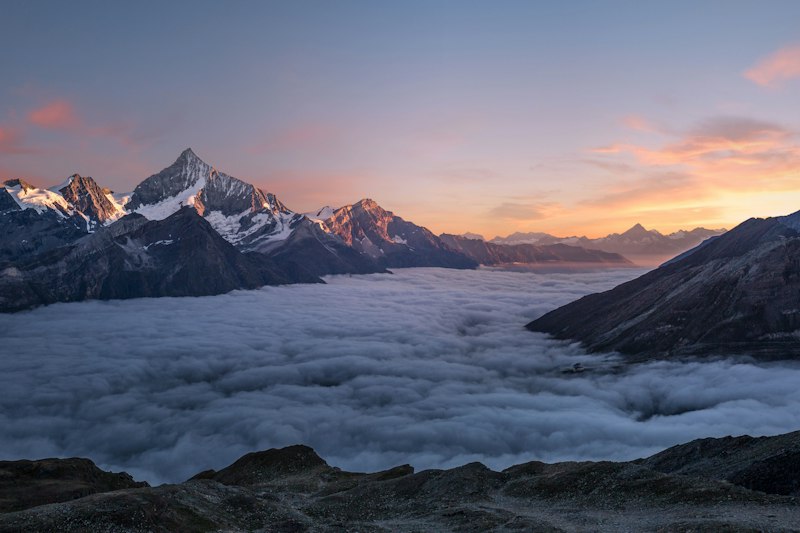
Solo traveler with backpack overlooking scenic mountain landscape representing adventure

Three years ago, I stood at the airport gate, boarding pass trembling in my hand, about to take my first solo international trip. Friends thought I was crazy. Family worried constantly. I questioned my own sanity. But stepping off that plane in Thailand and realizing I'd navigated immigration, found transportation, and checked into my hostel completely independently sparked something I didn't know existed within me—a confidence and self-reliance that would fundamentally change how I saw myself and the world.

Since that first nervous journey, I've solo traveled through 30 countries across five continents. I've gotten spectacularly lost, made incredible friends, faced genuine challenges, experienced moments of profound loneliness, and collected memories that define who I am today. Solo travel isn't for everyone, and it's certainly not always easy, but if you're curious about whether it might be for you, let me share what I've learned about the realities, challenges, and unexpected rewards of exploring the world on your own terms.

Why Solo Travel Is Different from Any Other Journey

Traveling with companions and traveling alone are fundamentally different experiences, not just variations of the same thing. When you travel with others, you share experiences, split decision-making, and always have someone to turn to. This creates wonderful memories and shared stories. But it also means compromises, group dynamics, and constantly navigating other people's preferences and moods.

Solo travel strips all that away. Every decision—where to go, what to eat, how long to stay, whether to join that group activity—is entirely yours. This complete autonomy is simultaneously liberating and overwhelming, especially initially. There's no one to blame if things go wrong, no one to rely on when challenges arise, but also no one limiting your spontaneity or imposing their priorities on your adventure.

What surprised me most was how solo travel forces authentic interactions with locals and fellow travelers. When you're part of a group, you naturally stick together, creating a bubble that's hard for outsiders to penetrate. Alone, you're inherently more approachable, more likely to strike up conversations, and more open to unexpected connections. Some of my closest friendships began with random conversations initiated only because I was traveling solo and appeared open to interaction.

According to research on tourism and travel, solo travel has grown significantly in popularity over recent years, particularly among women and younger demographics seeking personal growth and authentic cultural experiences.

Comparing Solo Travel Approaches: Budget vs. Comfort vs. Luxury

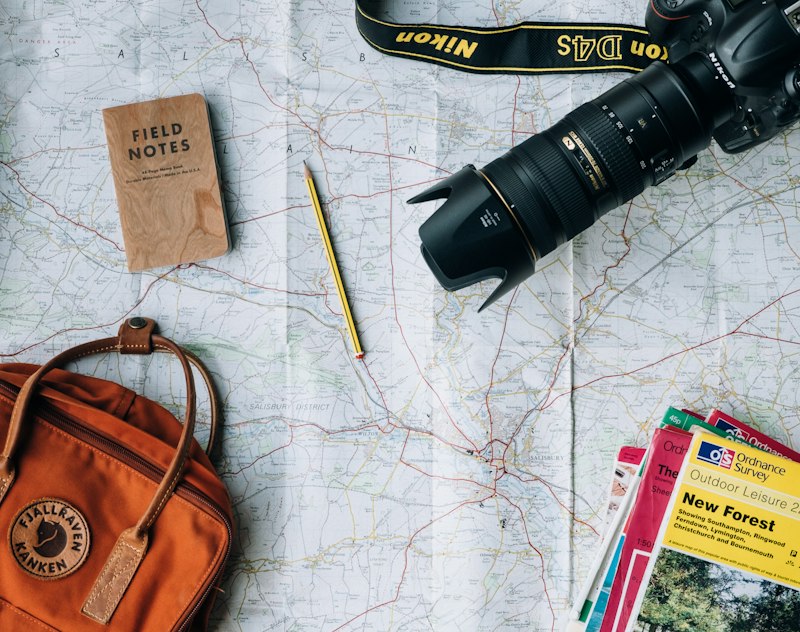
Traveler planning journey with map and compass representing adventure planning

Through my travels, I've experimented with different approaches to solo adventure, each offering distinct experiences:

Budget Backpacking Solo Travel:

  • Characteristics: Hostels and budget guesthouses; street food and local restaurants; public transportation; free walking tours and self-guided exploration; focus on stretching funds to maximize travel duration
  • Pros: Meet more travelers; authentic local experiences; forces resourcefulness and problem-solving; longer trips on limited budgets; builds confidence quickly; natural social environment in hostels
  • Cons: Less privacy and comfort; more physically demanding; occasional safety compromises; time-consuming logistics; can be exhausting; less flexibility for last-minute changes
  • My Experience: This is how I started, and it taught me invaluable skills. The hostel environment made solo travel less lonely and provided instant social networks. However, after months of this approach, I craved more comfort and personal space.

Mid-Range Solo Travel:

  • Characteristics: Mix of private budget hotels and occasional hostels; balance of local food and nice restaurants; combination of public transport and convenient options (trains, domestic flights); paid tours for complex logistics or safety
  • Pros: Better balance of comfort and authenticity; more flexibility; adequate rest and recovery; can splurge on meaningful experiences; maintains connection opportunities while having private space
  • Cons: Higher costs reduce trip duration; can miss some authentic local experiences; less built-in social interaction; still requires significant planning
  • My Experience: This became my sweet spot. I get private accommodation when I need to recharge but stay in hostels when I want social interaction. The flexibility to choose based on mood and energy levels makes travel more sustainable long-term.

Luxury Solo Travel:

  • Characteristics: High-end hotels and resorts; fine dining experiences; private guides and drivers; curated experiences and exclusive access; comfort and convenience prioritized throughout
  • Pros: Maximum comfort and security; stress-free logistics; access to unique experiences; time-efficient; excellent for celebration trips or self-care focused travel
  • Cons: Significantly more expensive; can feel isolated from local culture; less organic social interactions; may feel less adventurous; potential loneliness in luxury settings designed for couples
  • My Experience: I've done short luxury solo trips, and they're wonderful for specific purposes—celebrating milestones, recovering from burnout, or accessing experiences impossible otherwise. But they feel less like "adventure" and more like "vacation," which isn't necessarily negative, just different.

My Honest Recommendation: Your ideal approach depends on age, budget, physical capability, personality, and trip purpose. Start with budget or mid-range solo travel to build confidence and skills. As you gain experience and understand your preferences, adjust accordingly. Many successful solo travelers use hybrid approaches—budget travel in expensive countries to extend trips, luxury splurges in affordable destinations, or alternating between social hostel stays and private accommodations based on energy levels.

Essential Lessons from 30 Countries of Solo Adventures

Here are the most valuable insights I've gained through extensive solo travel:

Trust Your Instincts, But Don't Let Fear Rule: That gut feeling when something feels off? Listen to it. But also recognize that anxiety about new situations doesn't always mean actual danger. Learning to distinguish between intuition and general nervousness is crucial. I've avoided genuinely sketchy situations by trusting my instincts while also pushing through fear to have incredible experiences I'd have missed if I'd let anxiety win.

Loneliness Comes in Waves: Solo travel isn't constantly empowering and liberating. Sometimes it's genuinely lonely, especially during meals, evenings, or when you experience something beautiful and have no one to share it with immediately. Acknowledge these feelings without letting them derail your journey. They pass, and often lead to memorable connections when you reach out to others.

You're More Capable Than You Think: Every challenge you overcome—navigating foreign transportation systems, handling minor emergencies, managing language barriers—proves your competence. This builds cumulative confidence that extends far beyond travel into every aspect of life. Problems that would have paralyzed me before solo travel now feel manageable because I've successfully navigated worse.

Embrace Flexibility: Some of my best travel experiences came from abandoned plans and spontaneous changes. That hostel friend who invited me to a local festival, the missed bus that led to discovering a beautiful town I'd never heard of, the weather that forced different activities—flexibility transforms obstacles into opportunities.

Balance Planning with Spontaneity: Having a general framework (booked flights, first accommodation, necessary visas) provides security while leaving daily details flexible creates adventure. Over-planning removes serendipity; under-planning creates stress. Find your personal balance through experience.

Practical Solo Travel Safety and Preparation Tips

Traveler with camera exploring beautiful destination representing cultural exploration

Safety concerns prevent many people from solo travel. While risks exist, they're manageable with sensible precautions:

Research and Preparation: Understand your destination's safety situation, common scams, cultural norms, and current events before arriving. Register with your embassy if traveling to potentially unstable regions. Have emergency contacts and important documents backed up digitally and physically.

Stay Connected: Maintain regular contact with someone back home. Share itineraries and check in periodically. Get local SIM cards or international phone plans so you're never completely disconnected. Technology makes solo travel significantly safer than even a decade ago.

Accommodation Selection: Read recent reviews carefully, focusing on safety and location. Choose accommodations in well-populated areas, especially for first nights in new cities. Hostels with good social reputations provide both security and social opportunities for solo travelers.

Trust and Verify: Be friendly and open to connections while maintaining healthy boundaries. Don't share accommodation details with casual acquaintances. Be particularly cautious with alcohol consumption and unfamiliar social situations. Most people have good intentions, but taking precautions protects against the few who don't.

Look Confident: Even when lost or uncertain, project confidence. Walking purposefully, making eye contact, and appearing like you know where you're going reduces vulnerability to theft or scams. Consult maps and phones discreetly rather than obviously looking lost in public spaces.

For comprehensive information about travel safety and destination research, this resource on travel provides valuable context about tourism, cultural exchange, and travel considerations.

The Unexpected Personal Growth of Solo Adventure

Beyond stamps in my passport and photos on my phone, solo travel has fundamentally changed who I am. I'm more confident navigating uncertainty, more comfortable with my own company, more adaptable to change, and more open to diverse perspectives. Challenges that once seemed insurmountable now feel like puzzles to solve rather than threats to avoid.

Perhaps most valuable, solo travel taught me the difference between loneliness and solitude. Loneliness is the negative feeling of being alone when you don't want to be. Solitude is the positive experience of enjoying your own company. Learning to convert lonely moments into enriching solitude through journaling, reflection, and presence transformed not just my travel experience but my entire relationship with myself.

The self-reliance developed through solo travel translates into every life area. Professional challenges feel less daunting when you've successfully navigated foreign countries alone. Relationship decisions become clearer when you understand your own company can be fulfilling. Life's uncertainties feel more manageable when you've repeatedly adapted to unexpected situations abroad.

Conclusion: Your Solo Journey Awaits

Solo travel isn't inherently superior to traveling with others—it's simply different, offering unique rewards and challenges. It's not about being fearless; it's about acting despite fear. It's not always comfortable or easy, but it's consistently transformative for those open to its lessons.

If you're considering solo travel, start small. A weekend in a nearby city provides a low-stakes introduction to the solo experience. Gradually extend duration and distance as confidence builds. Join group tours or stay in social hostels to ease into the experience with built-in social opportunities. There's no single "right way" to solo travel—only your way, discovered through experience.

The world is simultaneously larger and smaller than you imagine. Larger in its diversity, beauty, and complexity; smaller in how connected and similar humans are across cultures. Solo travel reveals both these truths in ways impossible to experience through group travel or staying home.

Three years ago, I nervously boarded that first solo flight, uncertain about everything except that I needed to try. Today, I'm planning my next adventure, confident in my ability to handle whatever comes while remaining excited about the unknown. That transformation—from anxious uncertainty to grounded confidence—might be solo travel's greatest gift. Your own transformation is waiting. The only question is whether you'll take that first step.


Share/Bookmark